The Land Looked Perfect. Until We Checked The Documents.
How trust, recommendations, and a good location can never replace proper due diligence.
By Rennie Olajuyin
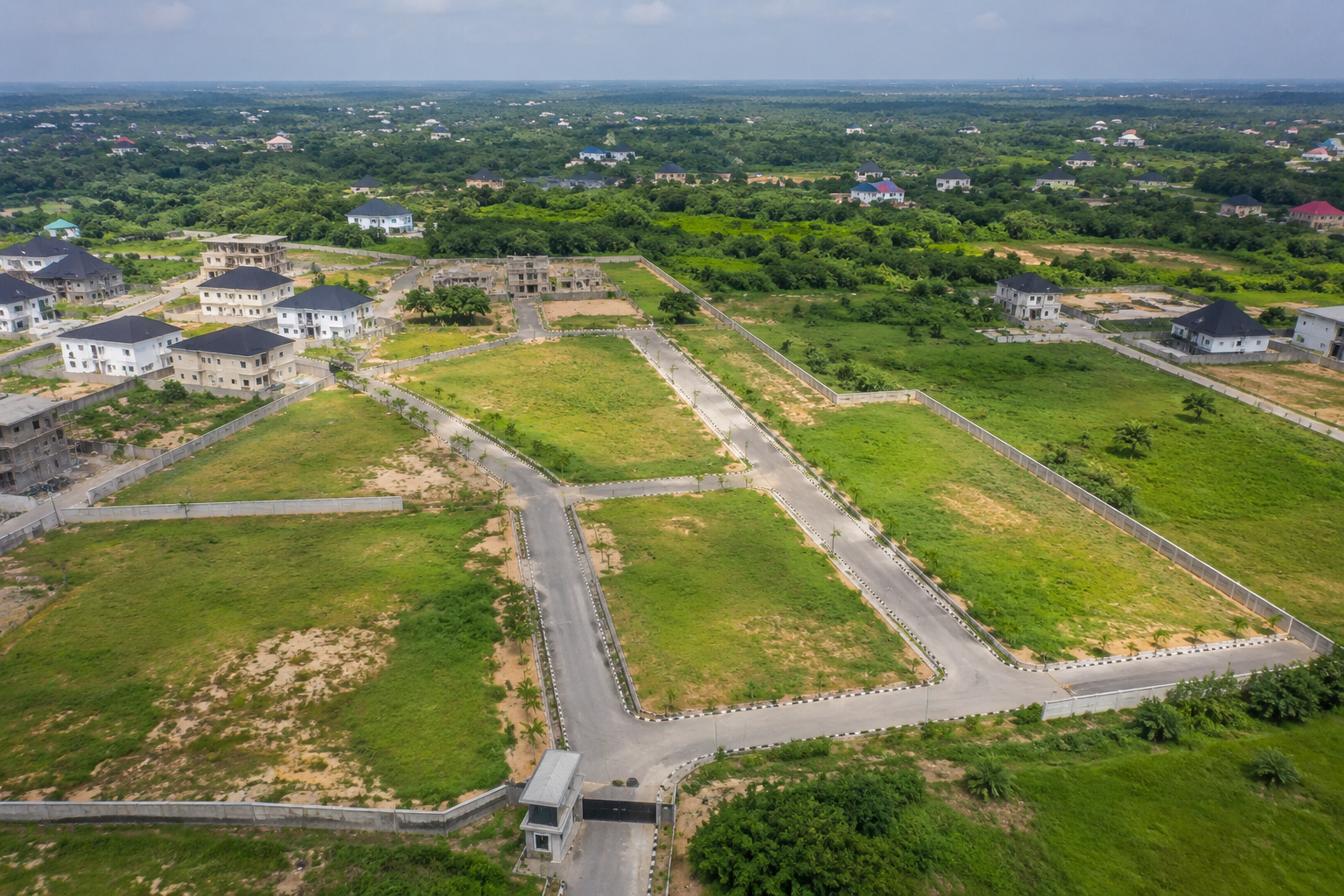
Sometimes, the biggest real estate lessons don't come from the properties you almost bought.
They come from the ones you actually bought.
Recently, i found myself dealing with a situation that reminded me of something i tell clients often:
Never let how much you trust the person recommending a property replace proper due diligence.
The property in question was in a very good location. it had been recommended to my aunt by people she trusted, and the person selling it was a staff member of the company marketing the land.
From her perspective, there wasn't much reason to be suspicious:
The location was great
The company appeared legitimate
People she trusted had recommended it.
So, she paid for the land.
The problem was that i didn't know about the purchase until after the transaction had been completed.
Months later, she went to inspect the land. That's when things started to get interesting.
"Someone Else Is Claiming This Land"
When my aunt told me that she had been at the property and was being harassed by someone claiming to be the owner, my immediate reaction was:
"Okay. Let's see the documents."
At that point, i wasn't interested in what anyone had told her about the property. i wanted to see what she actually received after making payment.
She had been given receipts and letters from the company. But there was one critical document missing. The survey.
For almost a year, the company had not been able to provide it. That was when my suspicion grew.
A missing document doesn't automatically mean a property is fraudulent. But when you're dealing with land, especially land that someone else is actively claiming, a missing survey is not something you casually overlook.
So we started asking deeper questions. And the answers led us somewhere none of us expected.
The Property Was Already Involved In A Court Case
We discovered that there was another party claiming ownership of the land, and that party was actively suing the company over the property.
Which means my aunt, who bought the land believing she was making a straightforward investment, now has to deal with a much bigger problem. There is a real possibility that she could lose the land entirely.
Suddenly:
The good location doesn't matter as much.
The recommendation doesn't matter as much.
The seller working for the company doesn't matter as much.
The receipts don't matter as much.
Because the fundamental question is now much bigger: Did the company actually have the legal right to sell the land in the first place?
That is precisely the kind of question proper due diligence is designed to uncover.
Trust Is Not Due Diligence.
I don't share this story to suggest that the people who recommended the property were being dishonest. They may have genuinely believed the property was legitimate.
And that's exactly why this lesson is so important: A recommendation is not verification.
Someone can recommend a property in good faith because they bought there themselves.
A friend can tell you they know the developer personally.
A relative can tell you they've done business with the company for years.
A salesperson can be an internal employee of the firm selling the property.
None of these replace independently verifying the property before you transfer a single Naira.
The person recommending the land may not know its full history. And even a reputable developer can have unresolved land disputes.
What Should Have Happened Before Payment?
Before my aunt made that payment, the property should have gone through structured due diligence:
Document Review: Evaluating all available titles and allocation documents.
Survey Search: Obtaining and charting the survey plan with the appropriate government authorities.
Ownership Investigation: Verifying the actual legal title holder.
Official Searches: Conducting the appropriate official searches to identify issues such as government acquisition, registered interests, or other potential encumbrances.
Had those checks been done at the beginning, there is a strong possibility that the existing issue and ownership dispute would have been identified before money changed hands.
That is the most painful part, this situation was entirely avoidable. Not because my aunt should have known about the court case on her own, but because she should have ensured an independent professional verified the legal status of the land before she paid.
A Good Location Doesn't Make a Property Safe.
Location is crucial, but it is only a part of the equation. A property can sit in a prime development zone and still be a legal nightmare.
Before closing on any real estate deal, you must be able to clearly answer:
Who legally owns the land?
What specific interest is the seller transferring to you?
What documents support that ownership?
Can those documents be independently verified at the land registry?
Is there any existing claim, suit, or encumbrance on the property?
Is the land actually free to be sold?
You don't ask these questions because you lack trust in the seller. You ask them because that is how proper property transactions are conducted.
Don't Let Excitement Drive the Purchase
This is where many buyers trip up.
You hear about a prime property in a fast-growing area. Someone you trust says, "I've verified this company before." You start calculating how much the land could be worth in five years, and before you realize it, you're emotionally invested.
At that point, slowing down to ask tough questions can feel like unnecessary delay.
In real estate, caution is not weakness, it is risk management.
You can trust people and still verify
You can love a location and still investigate the title.
You can respect a developer and still conduct independent due diligence.
When you are about to make one of the largest financial commitments of your life, you should do all three.
Buying Peace of Mind
My aunt's situation is still ongoing, and the final outcome remains uncertain. But the takeaway is clear:
When buying property, don't just ask whether you can afford it, whether you like the location, or whether a trusted friend recommended it.
Ask the legal and structural questions that protect you from costly disputes later. Once money has changed hands and court cases arise, getting answers becomes exponentially more expensive.
Due diligence may feel like an extra step upfront. But ultimately, it is the step that determines whether what you bought is truly yours.
Rennie's Insight
Trust is valuable. But when it comes to real estate, trust should never replace verification.
A recommendation can introduce you to an opportunity. A good location can make it attractive. A reputable company can give you confidence.
But only proper due diligence can confirm what you are actually buying.
Before you pay for property, verify.
Rennie's Question
Have you ever bought something simply because someone you trusted recommended it, without doing your own background checks?
And when it comes to real estate, why do you think so many buyers still rely on personal recommendations over independent due diligence?